 TRY LUMEHRA RISK-FREE • FREE SHIPPING OVER $49 (EXCLUDES PO BOXES) • 30-DAY MONEY-BACK GUARANTEE


A Guide to Plastic-Free Laundry Detergent for Sensitive Skin
When you start a plastic-free laundry detergent comparison, it quickly becomes clear that format is everything. While powders and sheets offer plastic-free packaging, their formulas can introduce other concerns. For health-conscious families, the goal is a detergent that is not only free of plastic packaging but also free of potential skin irritants and hidden plastics like PVA. The right choice balances cleaning efficacy, skin safety, and true environmental responsibility.
The Search for a Genuinely Safe Laundry Solution
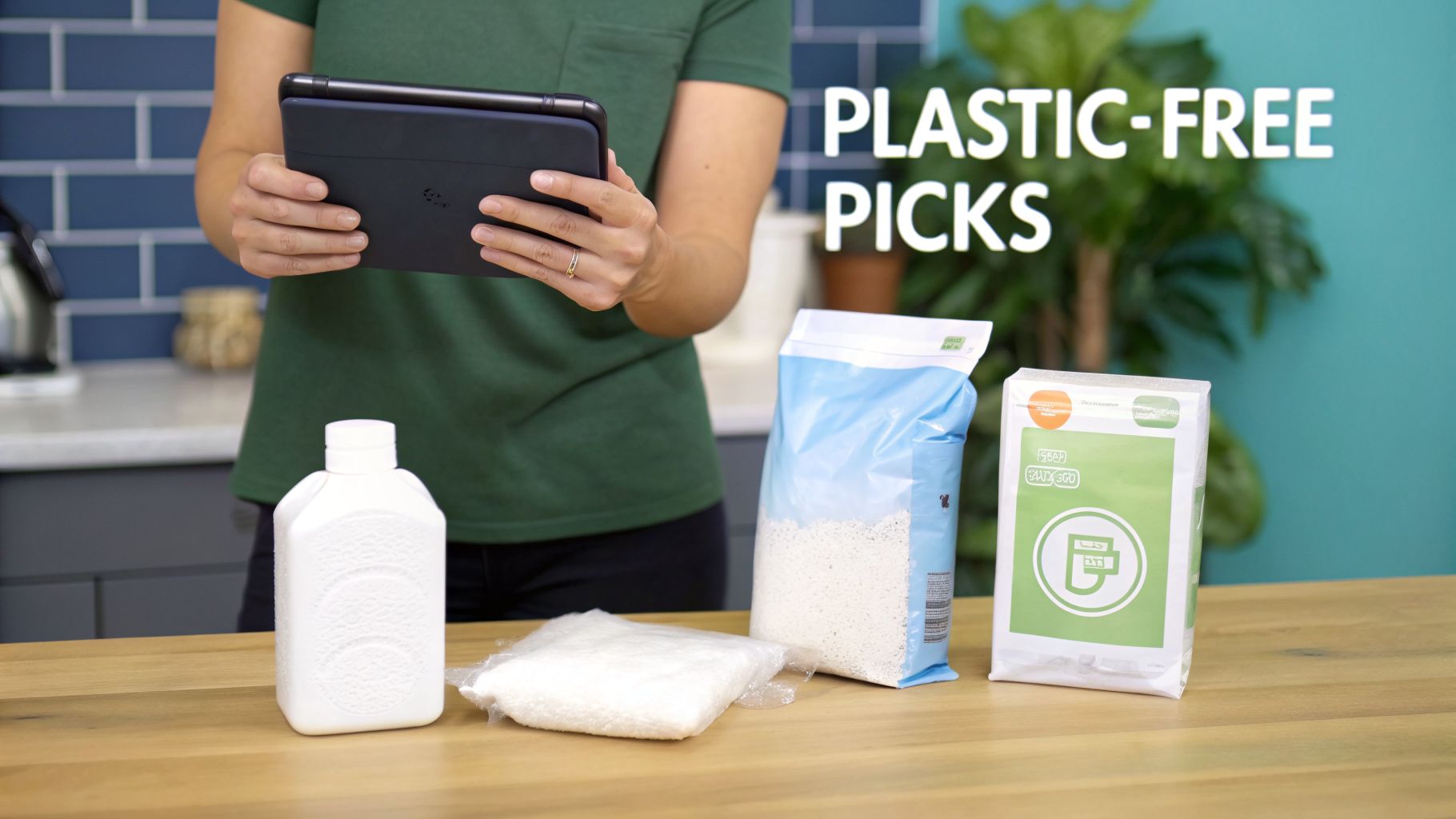
If you're a parent managing a child's eczema or an individual with fragrance intolerance, the laundry aisle can feel like a minefield. The objective is simple: find a detergent that effectively cleans clothes without triggering a skin reaction or polluting waterways. However, the search is complicated by hidden irritants, potential endocrine disruptors, and misleading “eco-friendly” marketing claims.
Many of us are now looking past the plastic jug to scrutinize what’s actually in the detergent. Key offenders for sensitive households include:
- Synthetic Fragrances: A well-documented trigger for contact dermatitis, allergies, and respiratory issues.
- Optical Brighteners: Chemical residues designed to stick to fabrics, creating the illusion of whiteness. They serve no cleaning purpose and are a common irritant for sensitive skin.
- PVA (Polyvinyl Alcohol) Film: The dissolvable plastic casing for most laundry pods and a binding agent in many detergent sheets. Its incomplete breakdown contributes to microplastic pollution.
This growing consumer awareness is reshaping the Canadian laundry care market. While the demand for plastic-free packaging grows, so does the popularity of convenient formats like pods—which are predominantly wrapped in PVA. It’s a significant paradox. A single pod can release billions of microplastic particles, and research suggests thousands of tonnes of PVA from consumer products end up in Canadian waters annually.
To help you make an evidence-informed decision, here is a breakdown of common detergent formats and how they compare for households prioritizing skin safety.
Plastic-Free Detergent Formats at a Glance
| Detergent Format | Plastic Packaging | PVA/Microplastic Risk | Sensitive Skin Suitability | Convenience Factor |
|---|---|---|---|---|
| PVA-Free Tablets | Cardboard or paper; truly plastic-free. | None. Formulated without any plastic films or binders. | Excellent. Designed for sensitive skin; typically fragrance-free with minimal ingredients. | High. Pre-measured, mess-free, and ideal for storage and travel. |
| Powder | Usually a cardboard box, but often contains a plastic scoop. | Low. The formula is typically free from plastic binders. | Moderate. Can leave an irritating residue on fabrics if not fully dissolved, especially in cold water. | Moderate. Measuring can be messy and imprecise. |
| Sheets | Cardboard envelope; plastic-free packaging. | High. Most brands use PVA as a binder to form the sheet, contributing to plastic pollution. | Poor. High risk of irritation from PVA residue and other binders. | High. Lightweight and compact, but with a significant formula compromise. |
| Liquid (Refill) | Uses refill cartons or pouches, which reduces but does not eliminate plastic. | Varies. The formula itself is PVA-free. | Fair to Good. Entirely dependent on the brand's formulation; many contain fragrances and irritants. | Low. Refilling is often messy and requires significant storage space. |
This table clarifies a critical point: a product with "plastic-free packaging" is not the same as a product with a "plastic-free formula."
Key Insight: True peace of mind comes from choosing a detergent that eliminates plastic from both its packaging and its formula. PVA-free tablets are a practical solution that avoids introducing potential irritants and microplastics into your home and waterways. To learn more, see our guide on how to avoid microplastics in your daily life.
The Hidden Plastics in "Plastic-Free" Laundry Detergents
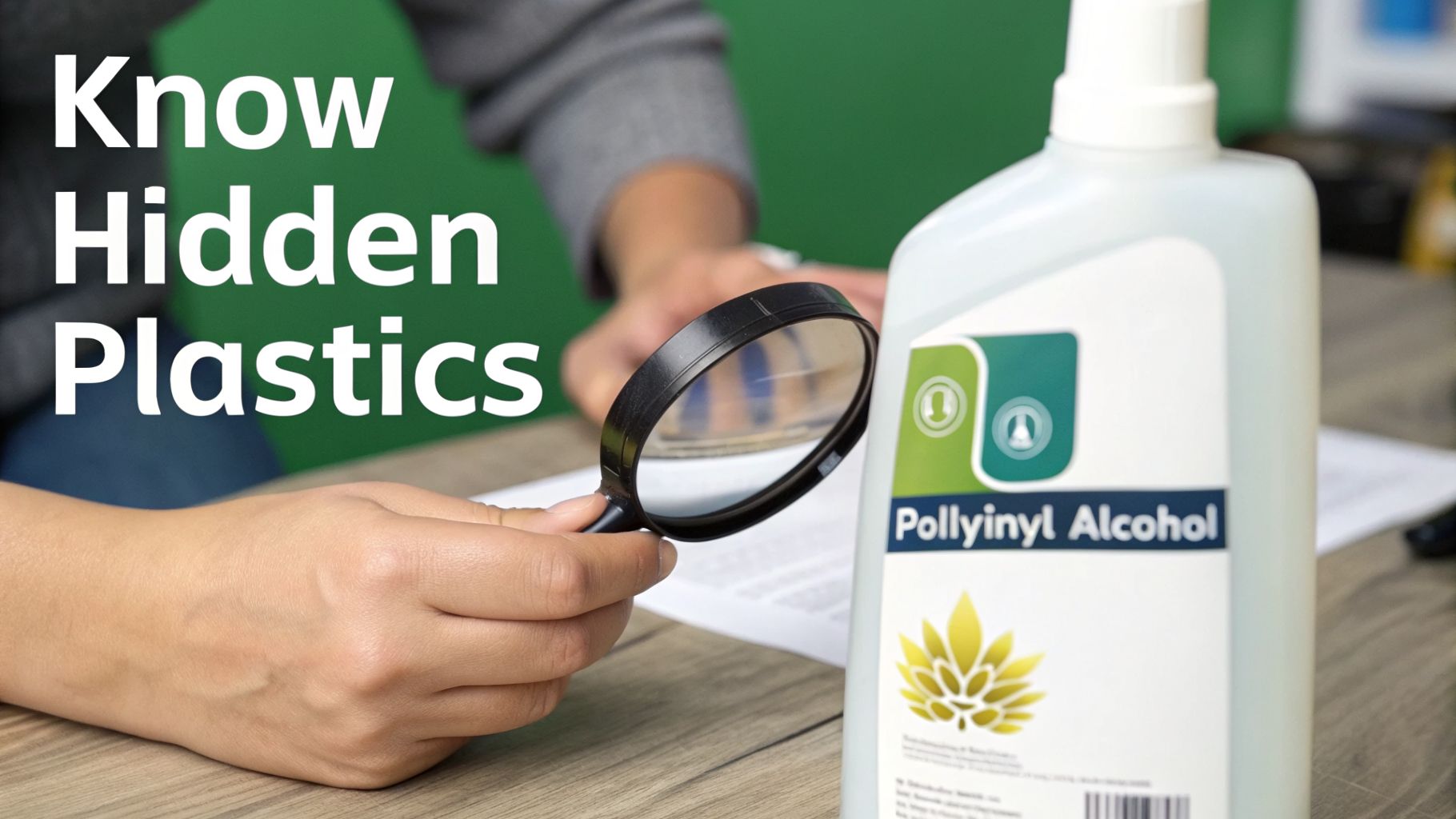
The term "plastic-free" is frequently used in marketing, but its meaning in the laundry aisle can be deceptive. While a cardboard box signals progress, it’s only half the story. The more significant concern is often the plastic hidden within the detergent formula itself.
Many products advertised with plastic-free packaging, such as laundry pods and detergent sheets, contain Polyvinyl Alcohol (PVA). This is a water-soluble synthetic plastic used to encase liquid detergent or bind powdered detergent into a sheet. Although it dissolves in the wash, its impact on environmental and human health is a subject of growing concern among scientists and consumers.
Why PVA is a Concern
PVA is engineered to disappear in water, but "dissolved" does not mean "gone." Studies indicate that its ability to fully biodegrade in real-world conditions is highly questionable.
While PVA can break down under specific, prolonged conditions found in a lab, most wastewater treatment facilities across Canada and the US are not equipped to replicate this environment. As a result, when PVA doesn't fully degrade, it can re-form and persist, breaking into smaller plastic particles that enter our ecosystems.
This is a significant problem. Microplastics from sources like PVA-based laundry pods are a major environmental polluter. One 2021 study estimated that over 75% of PVA from detergents can pass through treatment plants and into the environment.
A truly plastic-free product has zero plastic in its packaging and its formula. This means choosing a detergent that isn't wrapped in or held together by PVA. For families with skin sensitivities, avoiding this hidden plastic is crucial to prevent potential residue on clothing.
To understand this issue in more detail, learn why a PVA-free laundry detergent is a more responsible choice for your home and the planet.
The Critical Difference: Fragrance-Free vs. Unscented
Beyond plastics, understanding the distinction between "fragrance-free" and "unscented" is vital for anyone managing allergies, eczema, or fragrance sensitivities.
- Unscented: This term is unregulated and often means the product contains masking chemicals to cover up the smell of other ingredients. These hidden fragrances can still trigger skin irritation and allergic reactions.
- Fragrance-Free: This is the term to look for. It certifies that no fragrances or masking agents have been added to the product.
A truly fragrance-free detergent eliminates a primary trigger for skin reactions, ensuring your laundry’s clean smell comes from an absence of odour, not a chemical cover-up. Combining a PVA-free format with a certified fragrance-free formula, like Lumehra's pre-measured tablets, offers the highest standard of clean for sensitive households.
A Practical Comparison of Plastic-Free Detergent Formats
Choosing the right plastic-free detergent format is the most important decision for a truly safe and effective laundry routine. A superior detergent must clean tough messes, be gentle on sensitive skin, and have a minimal environmental footprint. This requires looking past the packaging and scrutinizing the formula itself.
Here is a direct plastic-free laundry detergent comparison of the four main formats: PVA-free tablets, traditional powders, detergent sheets, and liquid concentrate refills, evaluated on what truly matters for a health-conscious home.
Ingredient Safety and Skin Health
For anyone with eczema, allergies, or fragrance sensitivities, ingredient transparency and safety are paramount. The ideal formula is free from PVA, dyes, optical brighteners, and all fragrances.
- PVA-Free Tablets: Formats like Lumehra's tablets are specifically formulated for sensitive skin. They are fragrance-free and do not contain PVA, dyes, or optical brighteners. Their solid, pre-measured form also eliminates the risk of detergent overuse, a common cause of skin irritation.
- Powder Detergent: Powders are also PVA-free. However, they don't always dissolve completely, especially in cold water. This can leave a gritty, irritating residue on clothing.
- Detergent Sheets: The vast majority of laundry sheets are made with PVA as a binding agent. This dissolvable plastic is a source of microplastic pollution and an unnecessary additive for anyone seeking a truly clean, residue-free formula.
- Liquid Concentrate (Refill): While the formula is PVA-free, the safety of liquid detergents depends entirely on the brand. Many contain fragrances, dyes, and preservatives that can cause irritation, making label-reading essential.
Cleaning Performance and Efficacy
A safe detergent is useless if it doesn't clean your clothes. Performance is crucial for removing dirt, grime, and odours, especially in the cold water cycles common in Canadian households.
The biggest advantage of a pre-measured tablet is that it prevents detergent overuse. Using too much soap is a common problem with powders and liquids and is a leading cause of skin irritation, machine buildup, and stiff, scratchy clothes. Tablets provide the correct amount every time.
PVA-free tablets are concentrated and designed to dissolve completely even in cold water, releasing cleaning agents directly into the wash. Powders can also clean well but may require warmer water to avoid leaving a chalky film on darks. The performance of sheets can be inconsistent, as the PVA binder can interfere with how the detergent disperses.
Environmental Impact and Lifecycle
A true plastic-free detergent comparison must consider the entire lifecycle—from manufacturing and shipping to what goes down the drain.
Deep-Dive Detergent Format Comparison
This table offers an in-depth analysis of the four main detergent formats, focusing on ingredient safety, cleaning power, environmental impact, and real-world user experience.
| Evaluation Criteria | PVA-Free Tablets | Powder Detergent | Detergent Sheets | Liquid Concentrate (Refill) |
|---|---|---|---|---|
| Ingredient Safety | Excellent. Formulated without PVA, fragrances, or dyes. Pre-measured dose prevents residue from overuse. | Good. No PVA, but potential for residue if not fully dissolved or if overused. | Poor. Most contain PVA, a source of microplastic pollution and potential skin irritant. | Fair. Varies by brand; many contain common irritants like fragrances and preservatives. |
| Cleaning Efficacy | Excellent. Concentrated, pre-measured dose works effectively in all temperatures. | Good. Effective, but can struggle to dissolve fully in cold water, leaving residue. | Moderate. Performance can be inconsistent; PVA affects dispersal of active ingredients. | Good. Generally effective, but easy to overuse, leading to buildup and residue. |
| Environmental Lifecycle | Excellent. Plastic-free packaging, no PVA in formula, and lightweight for efficient shipping. | Good. Cardboard box, but often contains a plastic scoop. Heavier to ship than tablets or sheets. | Fair. Lightweight, but formula contains PVA plastic that contributes to water pollution. | Poor. Reduces but does not eliminate plastic waste. Heavy and inefficient to ship. |
| Real-World Practicality | Excellent. Mess-free, easy storage, perfect for travel, and simple for all family members to use correctly. | Fair. Can be messy to measure; bulky to store. Not ideal for travel. | Excellent. Extremely lightweight and compact for travel, but formula is compromised by PVA. | Poor. Refilling is often messy; requires storage for bulky jugs or pouches. |
As the comparison shows, PVA-free tablets and powders are the strongest options for avoiding plastic in both the formula and the packaging. Tablets gain a distinct advantage with their clean, pre-measured dose—a major benefit for busy parents and sensitive skin.
If you’re still weighing the options, our guide on laundry tablets vs. pods vs. sheets provides even more detail.
Practicality for Everyday Life
The best detergent is one that integrates seamlessly into your daily routine. For busy households, convenience and ease of use are just as important as the ingredient list.
PVA-free tablets are the clear winner for practicality. There is no measuring, no spills, and the compact packaging is easy to store. Their solid form is also perfect for travel, laundromat trips, or teaching older children to do laundry without making a mess.
Laundry sheets are also very practical for travel due to their light weight. However, the presence of PVA in the formula makes them an unsuitable choice for daily use in a health-focused home. Powders and liquid refills are the messiest and bulkiest options, requiring careful measuring and more storage space.
Choosing the Right Detergent for Your Family's Lifestyle
Knowing the differences between detergent formats is one thing; choosing the right one for your specific needs is another. A useful plastic-free laundry detergent comparison must go beyond features and consider how a product fits into real-life scenarios.
Your lifestyle is the most important factor—whether you’re managing sensitive skin, washing baby clothes, or tackling smelly activewear. This guide breaks down which formats work best for these common situations.
This decision tree simplifies the choice, guiding you toward the most convenient, mess-free, and skin-safe option.
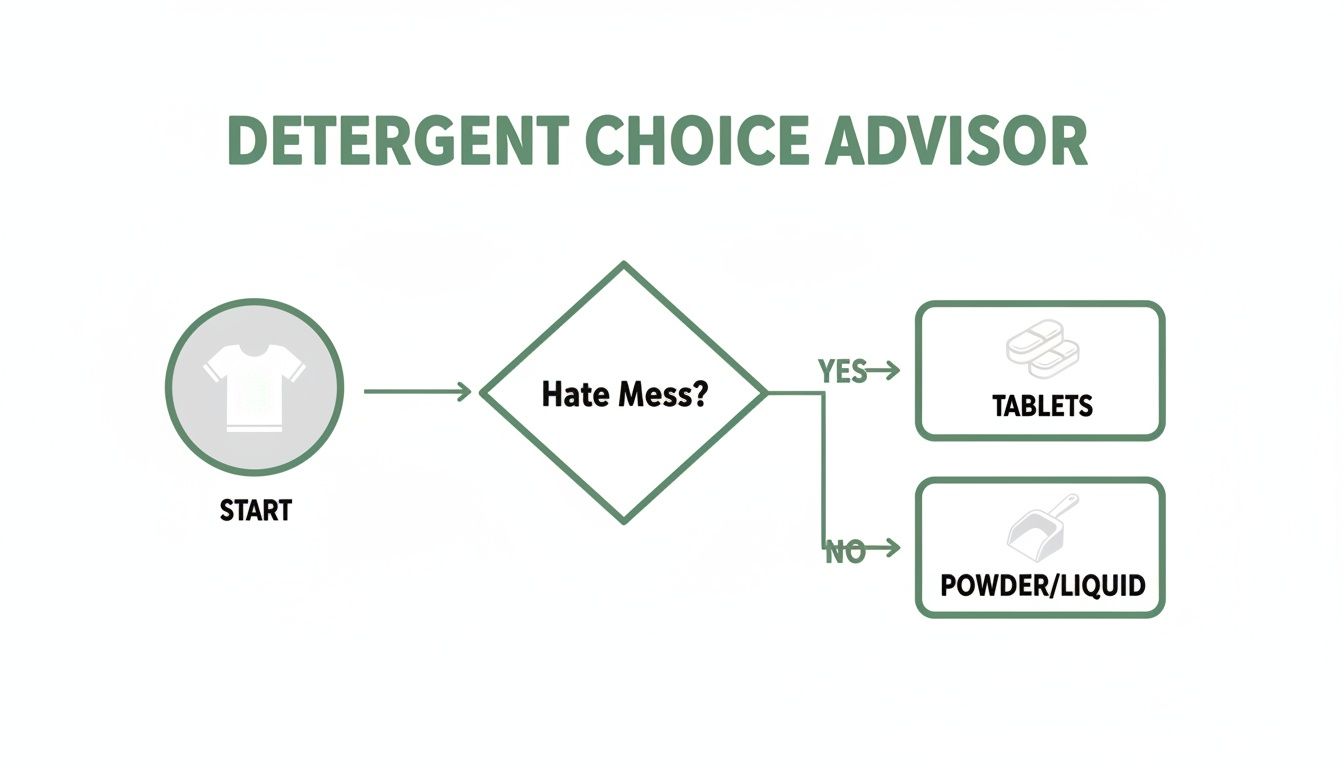
As you can see, if your top priorities are eliminating mess, ensuring a precise dose, and maintaining a skin-safe routine, pre-measured tablets are the most logical solution.
Best for Baby Clothes and Eczema-Prone Skin
When washing clothes for babies or anyone with eczema, the goal is simple: zero residue. Leftover detergent is a primary trigger for skin irritation. You need a formula that is truly fragrance-free and rinses completely clean.
- Top Recommendation: PVA-Free Tablets. Because they are pre-measured, you cannot make the common mistake of using too much detergent—a major cause of residue. Formulations like Lumehra's are specifically designed without any fragrances, dyes, or optical brighteners, making them exceptionally gentle.
- Alternative: Powder Detergent. Powders are also typically free from harsh additives. The main drawback is their tendency to not dissolve fully in cold water, which can leave a gritty film on fabrics that aggravates sensitive skin. If you choose powder, using an extra rinse cycle is advisable.
For the most vulnerable skin, a product's purity is non-negotiable. Look for the shortest possible ingredient list and a guarantee of being both PVA-free and fragrance-free. This combination offers the highest level of safety.
Ideal for Busy Parents and Mess-Free Routines
For busy parents, laundry is about efficiency. Spilled liquids, dusty powders, and sticky measuring cups add frustration to an already packed schedule. The ideal detergent is quick, clean, and simple enough for anyone in the family to use correctly.
- Top Recommendation: PVA-Free Tablets. They are the definition of "grab-and-go." Simply toss one in the drum. No measuring, no pouring, no mess. This foolproof system ensures a perfect dose every time, which is a huge help when teaching older kids to do their own laundry.
- Alternative: Detergent Sheets. Sheets offer similar mess-free convenience, but the PVA used to bind them makes them a poor choice for any health-conscious household striving to avoid all plastics and potential residues.
Tablets make laundry less of a chore and more of a quick, simple task.
Best for Activewear and Performance Fabrics
Caring for activewear requires a specialized approach. Conventional detergents and fabric softeners can clog high-tech fibers, trapping odour-causing bacteria and ruining the fabric's moisture-wicking capabilities. You need a detergent that cleans deeply without leaving any film behind.
- Top Recommendation: PVA-Free Tablets. Because they dissolve completely and rinse clean, tablets won't leave the residues that damage performance fabrics. Their concentrated cleaning power effectively removes sweat and oils without compromising the material.
- Alternative: Specialty Sports Washes. These are effective but typically come in plastic bottles and are more expensive. A residue-free tablet offers a more versatile and plastic-free solution for your entire laundry load, not just your gym clothes.
Most Convenient for Travel and Small Spaces
Whether you’re a frequent traveler, a student in a dorm, or simply live in a small apartment, storage space is a premium. Bulky plastic jugs and heavy boxes of powder are impractical.
- Top Recommendation: PVA-Free Tablets and Detergent Sheets. Both are incredibly lightweight, compact, and spill-proof, making them perfect for a suitcase or a tight cupboard. However, given the health and environmental concerns surrounding PVA, tablets remain the superior choice for consistent, worry-free use both at home and on the go.
By matching the detergent format to your daily needs, you can select a product that not only aligns with your health and environmental values but also genuinely makes your life easier.
How to Switch to a New Sensitive Skin Detergent
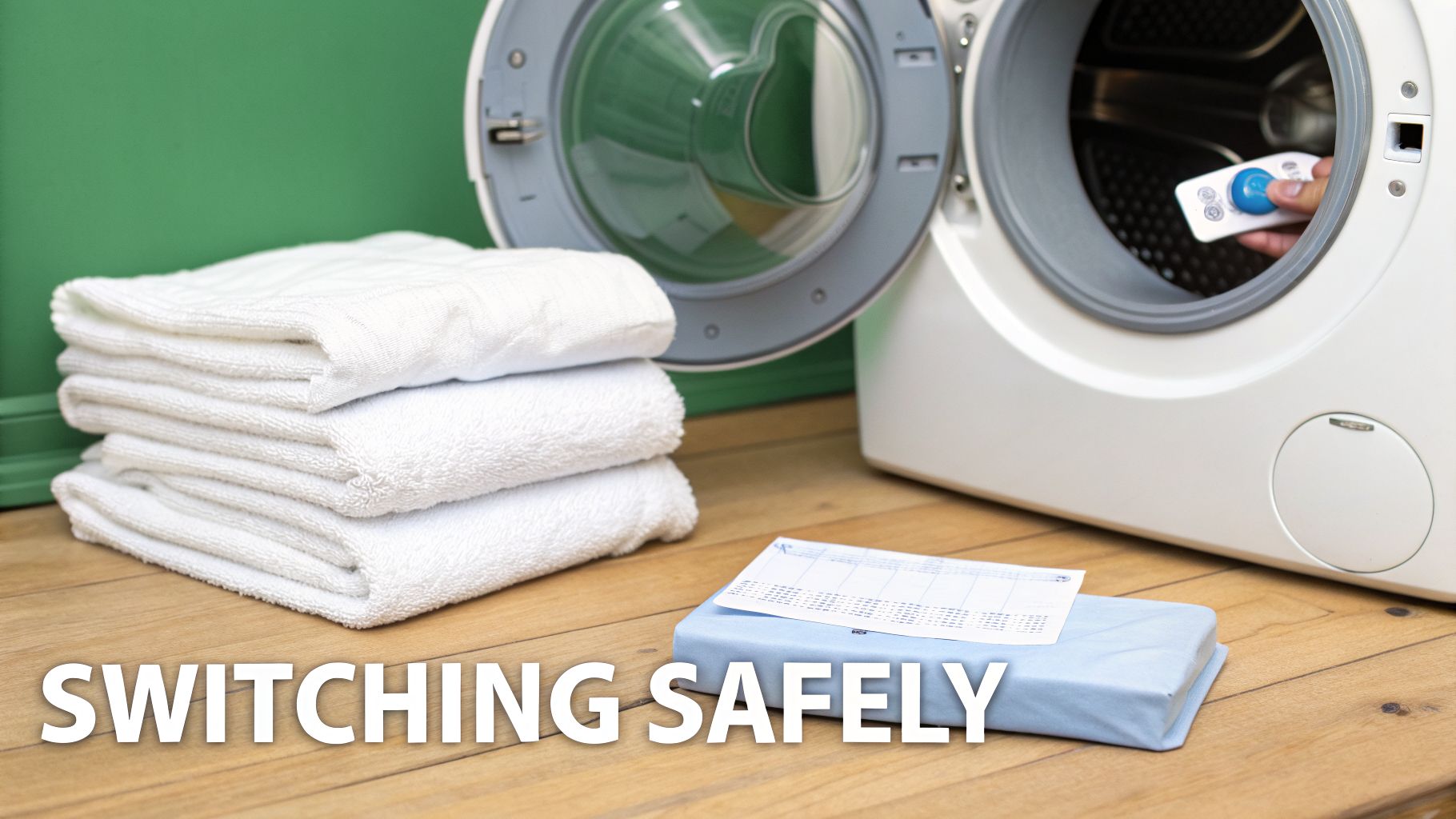
Transitioning to a new laundry detergent can be daunting, especially when dealing with sensitive skin. The last thing anyone wants is an unexpected rash or an eczema flare-up. With a careful, methodical approach, you can confidently switch to a new plastic-free, fragrance-free detergent.
The biggest challenge is often not the new detergent, but the old one. Waxes, synthetic fragrances, and optical brighteners from your previous detergent accumulate on fabrics over time. This buildup can cause irritation and make it difficult to determine if a reaction is from the new formula or simply leftover chemical residue.
Start by Stripping Your Laundry
Before introducing your new detergent, it is highly recommended to "strip" your laundry. This process is especially critical for items that have prolonged skin contact, like bed linens, towels, and baby clothes. Stripping removes stubborn chemical buildup, allowing you to get a true assessment of the new detergent's performance and gentleness.
- Fill a Bathtub or Large Basin: Use hot water to fill your tub.
- Add a Stripping Agent: A simple mixture of baking soda, washing soda, and a small amount of your new fragrance-free detergent works well. It's best to avoid commercial stripping products, which may contain their own irritants.
- Soak Everything: Submerge your clean clothes and linens in the water for four to six hours, stirring occasionally. You may be surprised by the discolouration of the water.
- Wash and Rinse: Wring out the items and run them through a normal wash cycle in your machine without any detergent. Use an extra rinse cycle if your machine offers one.
The Patch-Test Protocol for Laundry
Once your laundry is stripped of old residue, you can begin testing. Do not switch your entire household's laundry at once. When researching a new detergent, it is wise to explore options specifically designed for your concerns, like finding the best laundry detergent for allergies.
Start small with a "patch-test" load.
- Select Low-Risk Items: A few towels or some adult t-shirts are ideal for a first test.
- Wash with the New Detergent: Follow the package directions precisely. For pre-measured formats like a PVA-free tablet, simply toss one into the empty drum before adding clothes. This ensures it dissolves completely for a clean rinse.
- Evaluate the Clean: Check how well the detergent cleaned everyday dirt and grime.
- Monitor Your Skin: Use the clean items for a day or two. Watch for any signs of redness, itchiness, or irritation.
If you observe no skin reactions after the initial test, you can gradually begin washing more of your household's laundry. Always save items for the most sensitive family members, such as baby clothes, for last. This step-by-step method minimizes risk and helps you build trust in your new choice.
Frequently Asked Questions About Plastic-Free Laundry Detergent
Switching to a plastic-free detergent that's also safe for sensitive skin often raises a few questions. Here are clear, evidence-based answers to the most common concerns about effectiveness, ingredients, and cost.
Are plastic-free detergents as effective as traditional ones?
Yes, and in many cases, they perform even better. A detergent’s cleaning power comes from its formulation, not its plastic packaging. High-quality plastic-free powders and tablets use concentrated, plant- and mineral-based formulas with enzymes specifically chosen to break down tough stains like grass, oil, and food, even in cold water. The key advantage of pre-measured tablets is that they prevent detergent overuse. Adding excess liquid or powder detergent is a common mistake that leaves behind a film that traps dirt and can irritate skin. A single tablet provides the optimal dose for a deep clean and a residue-free rinse.
Do PVA-free tablets fully dissolve in cold water?
Absolutely. Well-formulated PVA-free tablets, like those from Lumehra, are designed for modern, high-efficiency washing machines that default to cold water. While some powders can clump or leave a chalky film, these highly compressed tablets are engineered to dissolve quickly upon contact with water. For best results, toss the tablet into the empty drum before adding your clothes. This allows it to be fully immersed in water and begin working immediately.
Is switching to plastic-free detergent more expensive?
While the upfront cost of a box of tablets might seem higher than a large plastic jug, a true plastic free laundry detergent comparison should focus on the cost per load. Concentrated, pre-measured tablets are often more economical because they eliminate waste from over-pouring. You use exactly what you need for each load, so a single box lasts longer than you might expect, making it a budget-friendly choice for families. To calculate the true cost, simply divide the total package price by the number of loads it contains. You may be surprised to find that a zero-waste, sensitive-skin formula fits perfectly into your budget.
What ingredients should I avoid for eczema-prone skin?
If you or a family member has eczema or highly sensitive skin, scrutinizing the ingredient list is non-negotiable. Even products marketed as "natural" or "gentle" can contain hidden irritants.
Here are the top ingredients to avoid:
- Synthetic Fragrances & Masking Agents: Always choose products explicitly labeled "fragrance-free," not just "unscented."
- Dyes: Artificial colours serve no cleaning purpose and are a known trigger for contact dermatitis.
- PVA (Polyvinyl Alcohol): This plastic film is found in most laundry pods and sheets and can leave behind residue that may irritate sensitive skin.
- Optical Brighteners: These chemicals don't clean; they are designed to stick to fabrics to create an illusion of whiteness and can cause skin reactions.
- Harsh Surfactants (like SLS/SLES): While effective cleaners, sulfates can be overly stripping and harsh for very sensitive or compromised skin.
As you look for safer cleaning solutions, you might also be interested in the natural cleaning uses of vinegar, a simple ingredient often used in eco-friendly homes. Choosing products with simple, transparent formulas is the best strategy for creating a laundry routine that is truly gentle on your family's skin.
Ready to make laundry day simpler, safer, and completely plastic-free? The Lumehra Fragrance-Free Laundry Detergent Tablets are pre-measured for a perfect clean every time, without the harsh chemicals or plastic waste. Explore the difference a PVA-free, sensitive-skin-safe formula can make for your family.


